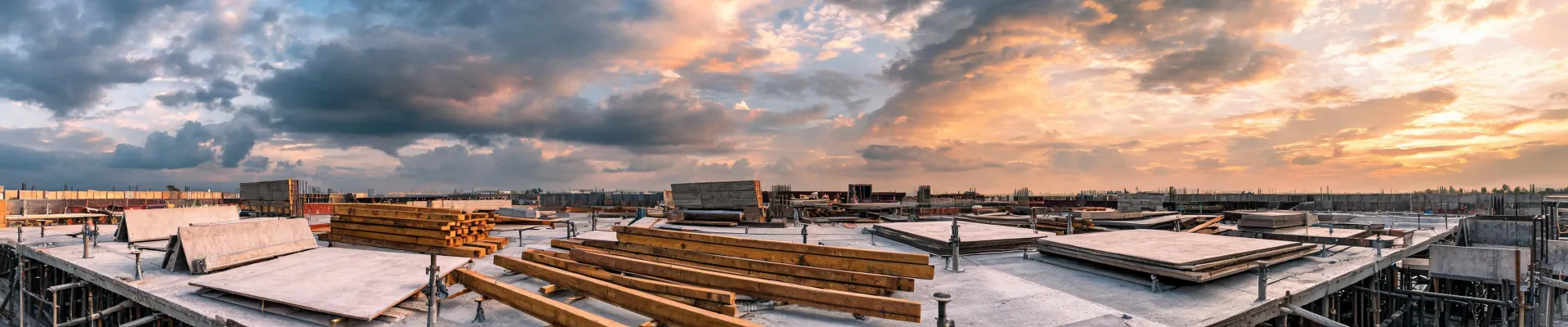
Here's the thing: the lowest quote on formwork is almost never the lowest cost.
I didn't always believe that. Honestly, six years ago I thought the opposite. When I first started managing formwork and shoring purchases, I compared prices, picked the lowest number, and called it a win. It took $1.2 million in tracked invoices, 20+ vendor negotiations, and more than a few painful change orders to show me how wrong that instinct was.
Quick background: I'm a procurement manager at a mid-sized general contracting company. I manage our formwork and shoring budget—about $200,000 annually—and I've negotiated with more than 20 suppliers over the years. Every order goes through our cost tracking system. Every invoice gets logged. Every change order gets tagged with a reason code. Yes, that's a lot of paperwork. It's also the only reason I can show you this pattern instead of just telling you a story.
When I audited our 2023 spending, the pattern was unmistakable: the supplier with the lowest upfront quote ended up being the most expensive supplier in 7 out of 10 projects. Not by a little, either.
Let me walk you through how that happens.
The Accessories Trap: The Quote Was Just the Beginning
In my first year of buying formwork, I made the classic rookie mistake: I compared unit prices on the big-ticket items—the panels, the H20 beams, the main frames—and basically ignored everything else. That's like buying a truck based on the price of the engine and forgetting you still need wheels, transmission, and brakes.
Here's a concrete example. In 2020, I sourced a package of bulk formwork systems for a two-story commercial project. The supplier's quote looked great on paper—about 18% under established brands. I remember presenting that number to my project manager, feeling like I'd earned my salary that month.
Then the delivery arrived, and the change orders started. The quote covered wall panels and H20 beams. It did not cover the tie rods, the anchors, the wing nuts, the couplers, or the bracing hardware. All of those—the formwork accessories that hold the system together—came as "add-ons." By the time we had a complete, usable system on site, we were about $8,000 past the quote.
I'm not saying the supplier was dishonest. They quoted exactly what I asked for. The problem was that I'd asked for a partial system without realizing it. When you buy formwork, you're not buying a pile of parts. You're buying a system—and the accessories are part of the system.
If you've ever signed off on a formwork quote that looked complete and then watched the change orders pile up, you know the sinking feeling I'm describing.
Since then, I ask every vendor one question before any price discussion:
"What's NOT included in this quote?"
If a vendor can't answer that in one clear sentence, it's not a quote. It's a teaser.
The System Integrity Problem: Private Label Is a Double-Edged Sword
The second lesson hit us in the wallet: about $14,000.
In 2023, a site engineer tried to save money by mixing formwork components from different sources. He bought panels from one supplier, H20 beams from another, and pulled some older shoring frames from our yard. The dimensions matched, sort of. At a glance, they looked compatible.
They weren't.
Formwork systems are engineered as complete units. The panels, the beams, the ties, and the shoring distribute loads according to the manufacturer's specifications. When you mix components from different manufacturers, you're creating a system with no unified load rating—because nobody ever tested that combination.
Our structural engineer flagged the problem before the pour, which is the only reason we didn't have a catastrophic failure. But flagging it meant stripping down a section of wall formwork, rebuilding it with matched components, and paying for the engineer's time to re-verify the assembly. The bill: $14,000. The savings we'd hoped for from mixing and matching: about $3,200.
Let me be fair: private label formwork systems can be a genuinely good value. There are manufacturers producing solid, code-compliant systems under their own branding. But the lesson is the same whether you're buying a brand-name system like Doka formwork or considering formwork systems private label: buy the complete system from a single source, with engineering documentation, and don't assemble your own experiment from random components.
The brand isn't what matters. The engineering is what matters.
Scaffolding Compliance Is a Cost, Not a Checkbox
The third pattern in my data is the most serious one.
Scaffolding compliance requirements are not a suggestion. OSHA's construction scaffold standards (29 CFR 1926 Subpart L) set specific rules for load capacities, platform construction, guardrails, and bracing. If you buy shoring or scaffolding that doesn't meet those standards—or you can't prove it does—you're not saving money. You're buying a stop-work order.
I've seen it happen. A shoring package arrived on one of our projects and got rejected at the gate because it lacked stamped load tables. The vendor offered to exchange the frames—in three weeks. Meanwhile, our crew stood idle, the crane stayed on hire, and the concrete pour schedule got rearranged. The "savings" on that purchase: about $4,000. The cost of the delay: an estimated $28,000 in idle labor, rescheduling, and extended equipment rental.
If a vendor can't produce load-rated documentation for their shoring or scaffolds, that's not a small detail. It tells me the engineering work hasn't been done. And I'm not going to put my site—or my people—at risk because a frame was priced aggressively.
"But We Negotiate Hard"—So Do I. That's Not the Point.
I can hear the objection coming, because I used to make it myself. "Look, we get three quotes and negotiate hard on every line item. That's how procurement is supposed to work."
Fine. Getting multiple quotes is good practice. But if you're negotiating the wrong number, you're just optimizing a starting point. The full cost—accessories, delivery, compliance documentation, engineering support—is what actually hits your bottom line.
In Q2 2024, I changed our approach. Instead of asking vendors for "best price," I started sending a standardized request: "Provide the total cost to deliver a fully compliant formwork system on site, including all accessories, connection hardware, documentation, and delivery."
That shift in wording changed everything. Our primary formwork supplier—Doka, through a local distributor—quoted about 6% higher than the previous approach. But our total formwork cost for that year dropped by about 17%, because we stopped paying for surprises.
That's what transparent pricing means. It's not about discounting. It's about showing the real cost up front, including the line items that are easy to ignore. FTC's guidance on advertising makes a similar point: claims should be truthful, not misleading, and substantiated with evidence. A formwork quote that omits the accessories you'll need isn't "competitive." It's misleading.
What I'd Tell Anyone Buying Formwork Now
I'm not saying the cheapest quote is always the worst. There are honest vendors who quote fairly and deliver exactly what they promise. But I've been burned too many times to pretend the sticker price equals the final cost.
Here's my checklist, earned the hard way:
- Ask what's not included. Get the full scope before comparing prices, not after.
- Buy complete systems. Whether it's Doka formwork accessories or a private label equivalent, make sure the panels, beams, ties, and hardware work together as one documented system.
- Demand compliance paperwork. Load tables, test reports, OSHA-compliant assembly instructions. Walk away from any vendor that treats paperwork as optional.
- Track every invoice. You can't manage what you can't measure. Six years of data taught me more than any sales pitch.
The lowest quote isn't always a trap. But a vendor who shows you the complete cost up front—even when it's not the cheapest number in the comparison—is the one who actually respects your budget. Transparency isn't a marketing slogan. It's how you keep a project from bleeding money quietly.
That's what the invoices taught me.